
The Hidden Cause of PET Bottle Defects? It Could Be Your IR Heating Lamps.
Ask most people what determines the quality of a PET bottle, and they’ll talk about the mold, the resin or maybe the blow pressure.
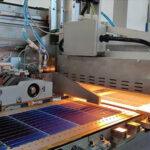
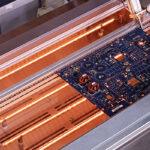
Almost nobody mentions the oven stage — the bank of lamps that heats each preform before it’s stretched and blown into shape. That’s a mistake. It’s where most downstream defects actually start.
Get that heating stage even slightly wrong — inconsistent lamp output, the wrong wavelength for your wall thickness, lamps degrading unevenly — and it shows up later as thickness variation, hazing, or bottles that don’t hold their shape. Most lines troubleshoot by adjusting mold parameters or blow pressure first. Often, the real issue started upstream.
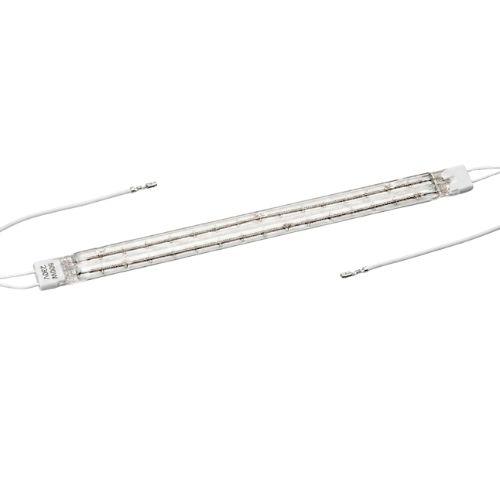
Not all IR lamps are interchangeable, even when they look similar. What actually matters: wattage and wavelength matched to your preform wall thickness and cycle speed, voltage matched to your oven configuration, and consistent output as the lamp ages — not just when it’s new.
This is where a lot of lines quietly lose performance: replacement lamps sourced as generic imports that are close enough to spec, but not matched to it. The line still runs. The reject rate just creeps up.
We’ve spent 40+ years manufacturing halogen and infrared lamps to custom wattage, voltage, and length. If you’ve ever chased a thickness variance back through the mold, the blow station, and the resin batch before finally checking the oven — you already know why it deserves more attention than it gets.
Curious how other packaging and bottling folks here approach lamp replacement — reactive when one fails, or on a planned cycle?
Visit us at www.litexelectricals.com