
The Hidden Role of Infrared Heating in Solar Cell Manufacturing
Most conversations about solar manufacturing focus on silicon, wafers and cell architecture. Far less is said about something that touches almost every cell on the line: heat.
A solar cell is built layer by layer, and several of those steps depend on getting heat to the right place, at the right intensity, for the right number of seconds.
Where infrared heating does the work:
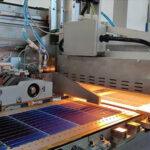
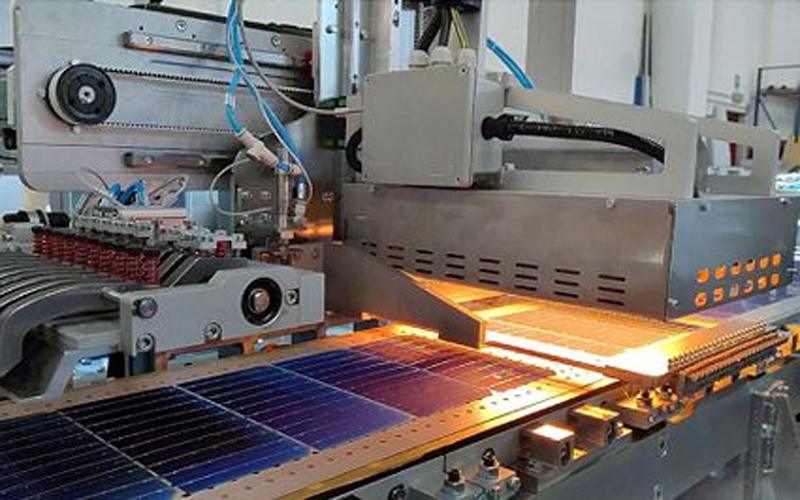
1. Drying printed pastes: After screen printing, metal pastes must be dried before the next step. Fast, uniform infrared drying keeps lines sharp and the throughput high.
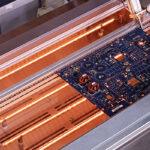
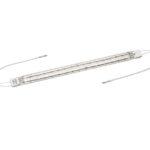
2. Firing the contacts: In the metallization furnace, a precise temperature profile lets the paste form a good electrical contact with the silicon. Too little heat and resistance rises. Too much and the cell is damaged. Infrared lamp banks are used because they heat quickly and can be tuned zone by zone.
3. Soldering cell strings: Interconnecting cells into strings requires localized, repeatable heat, and infrared soldering is widely used for this.
Why the lamp matters more than it seems:
A drift in lamp output across a furnace zone is not a lamp problem. It is a yield problem. A small variation shows up as lower cell efficiency, higher breakage, or a batch that fails flash testing.
That is why lamp consistency, from output to filament geometry to lifetime, matters to a cell line in the same way that tool calibration matters to a machine shop.
What India’s cell makers should ask their lamp supplier
-How tightly is output matched across a batch, so zones stay balanced after replacement?
-What is the rated life at your operating profile, and how does output decay over it?
-Can the lamp be supplied to your furnace’s exact dimensions and termination?
-Is there local stock and technical support, so a failed lamp doesn’t mean unplanned downtime?
For over four decades we have manufactured infrared and specialty lamps in Pune. As India builds domestic cell capacity, the supporting components need to be made here too, to the tolerance these lines demand.
If you run a cell or module line and want to talk about lamp specifications, write to sales@litexelectricals.com/marketing@litexelectricals.com